Start in Style

A smart wardrobe system that uses a digital mirror to create personalized outfits from the user’s closet based on preferences and calendar.

My Roles
  • Product Design
  • UX/UI Design
  • Project Management
Tools
  • Figma
  • Blender
Context & Team
  • Uni Project
  • 6 Designers
Timeline
  • Oct 2025 - Jan 2026
  • (4 Months)
overview

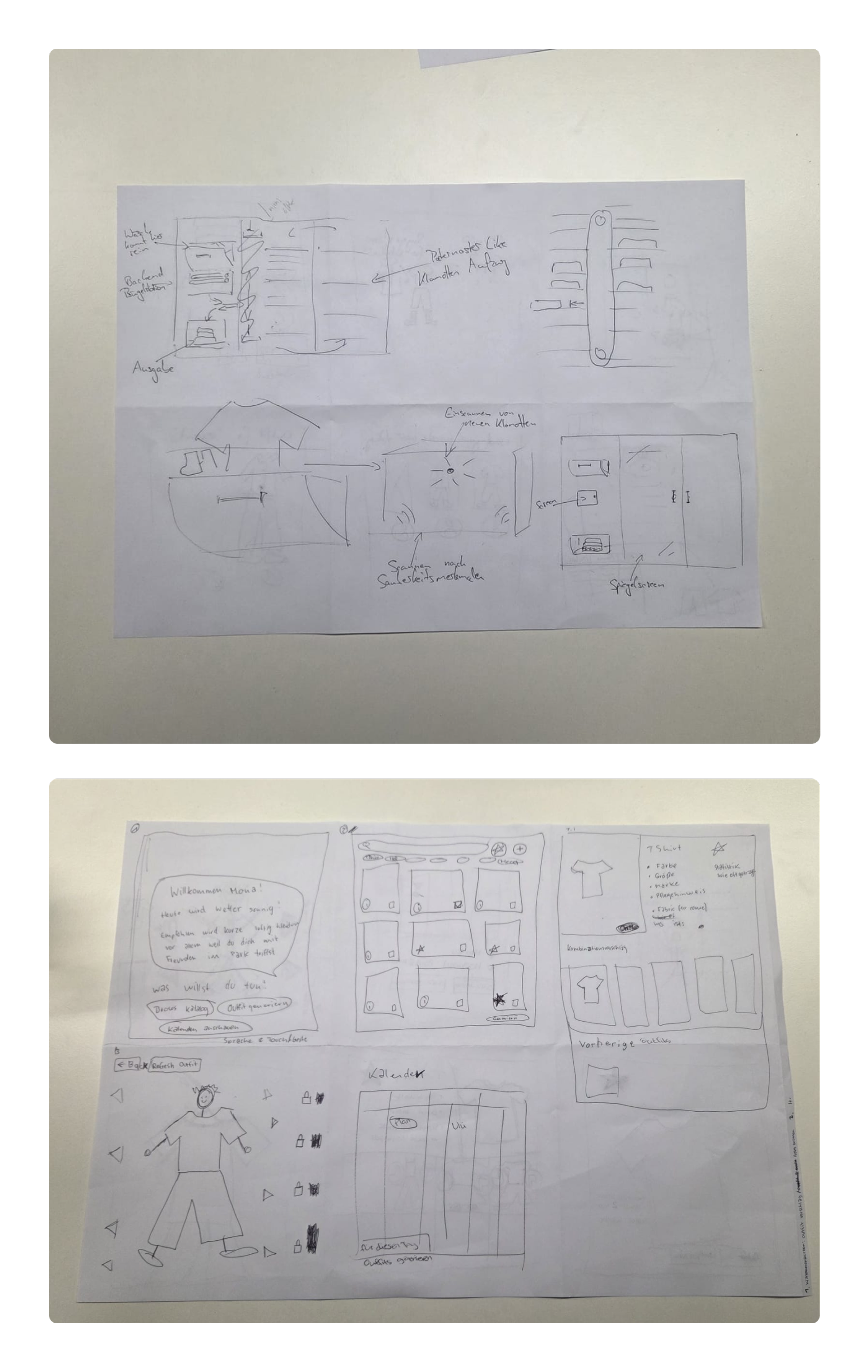
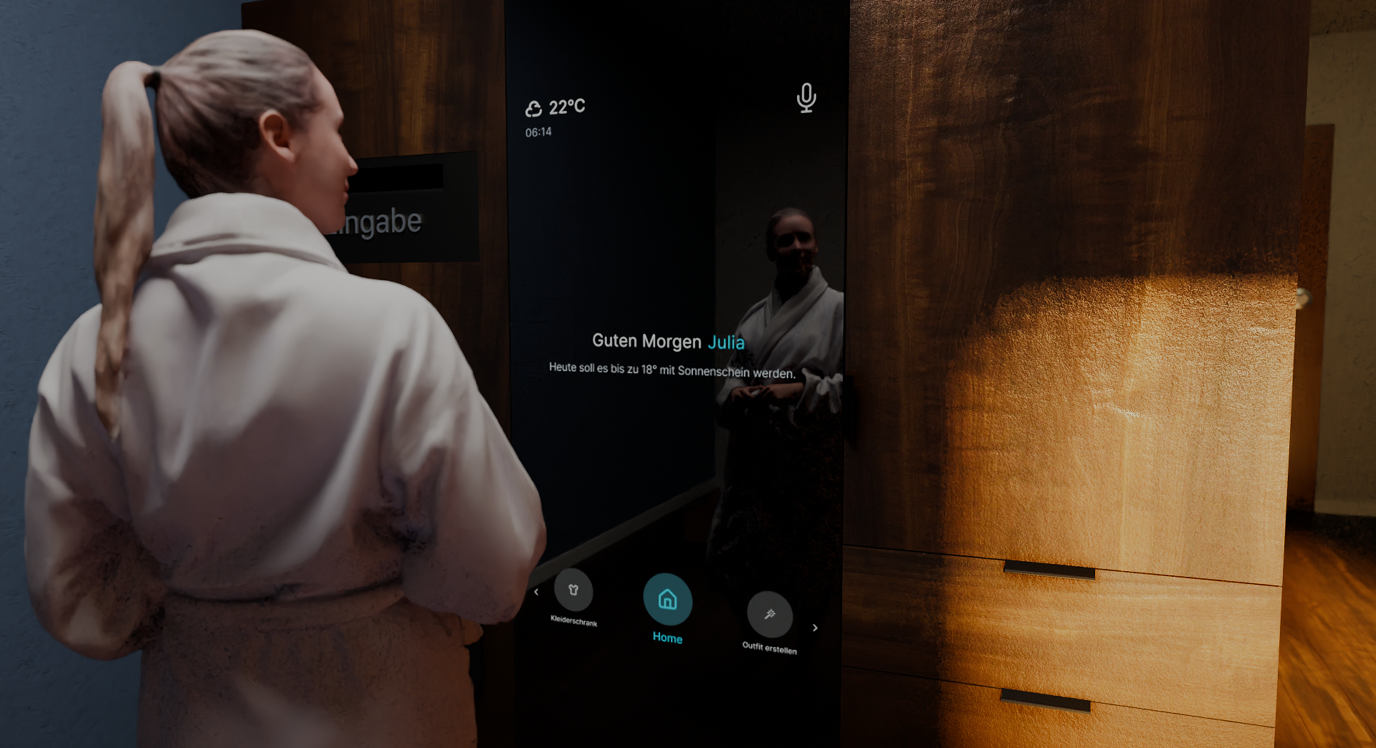
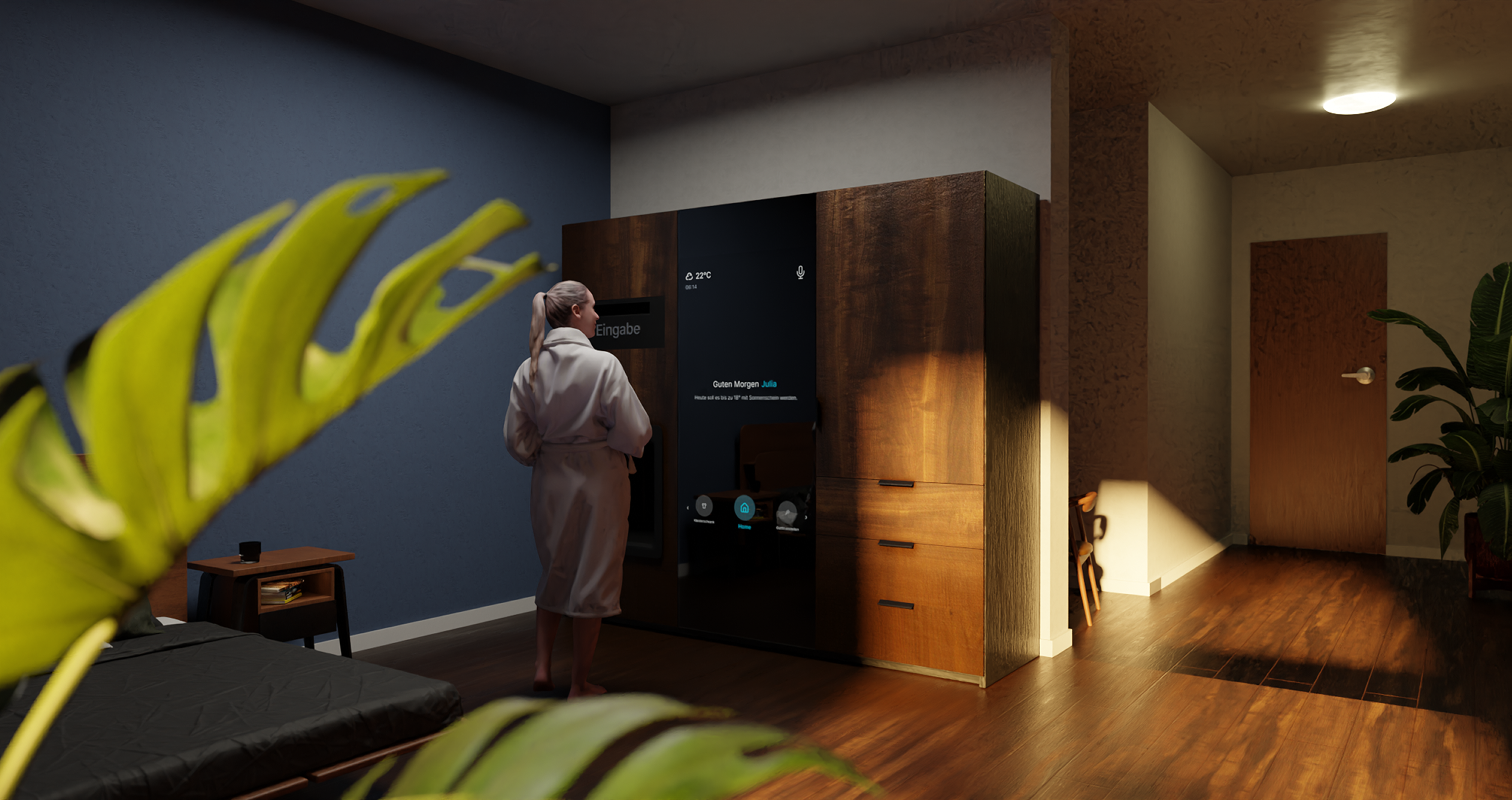
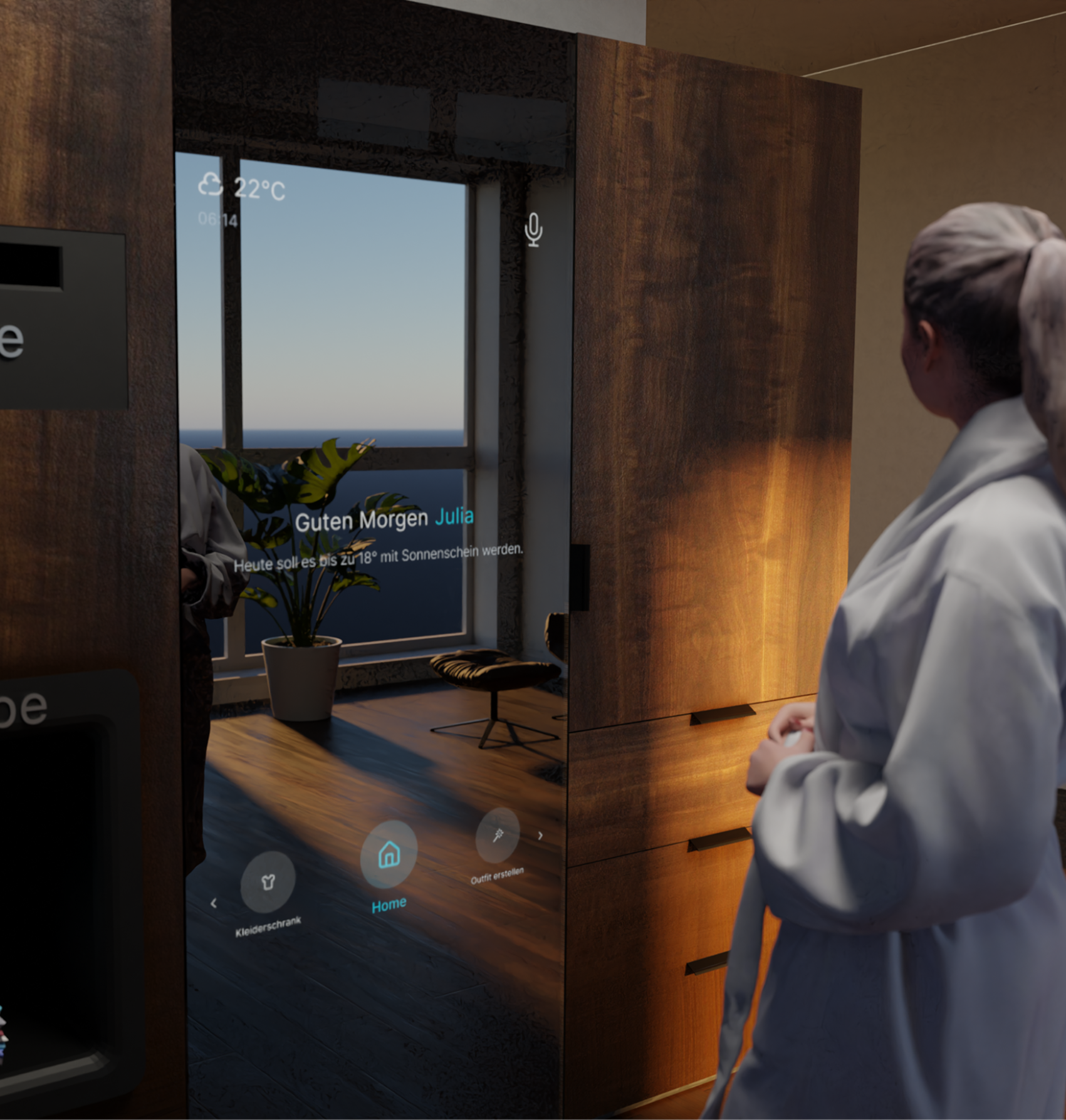
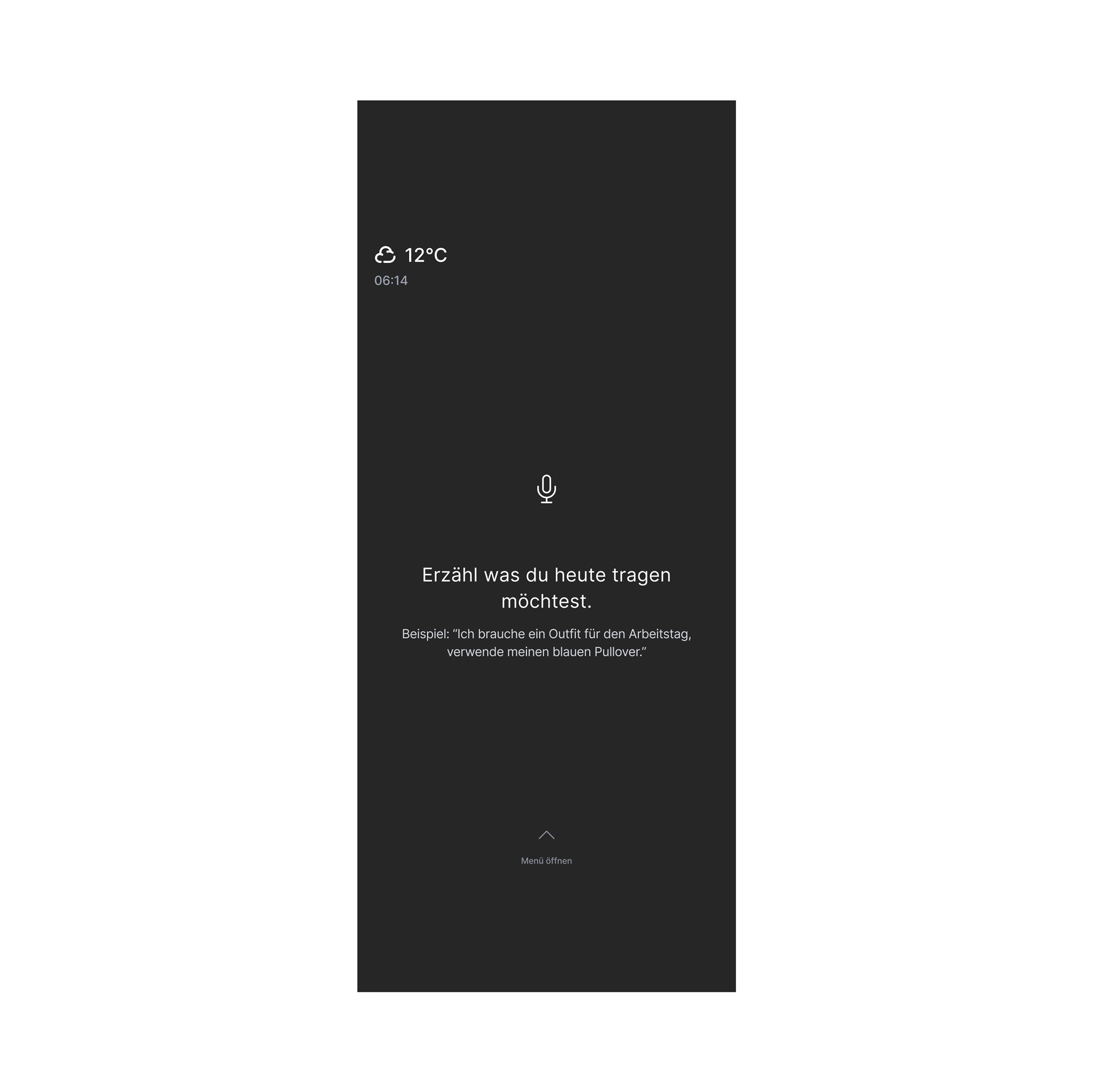
Start in Style is a smart wardrobe system that democratizes personal styling by focusing on clothes already in the user’s closet instead of high-end shopping. It connects fast-moving fashion trends with more conscious consumption and acts as an at-home stylist by using a digital mirror interface with gesture and voice control to create personalized outfits based on the user’s calendar and preferences.
My Contributions
  • UX Testing: I contributed to defining, conducting, and validating hypothesis-driven usability tests.
  • Interaction Design: I designed intuitive gesture and voice control logic for the integrated mirror display.
  • Prototyping: I built and iterated on the interface to ensure a seamless transition from digital outfit creation to physical garment retrieval.
The Problem
The current fashion consulting market is largely focused on premium retail and purchase-oriented styling services, with a strong emphasis on advising users while shopping for new clothing. However, there is a clear gap in the market for personalized styling support based on garments people already own. Existing solutions rarely address outfit creation within the user’s existing wardrobe, leaving everyday styling decisions unsupported.

Process

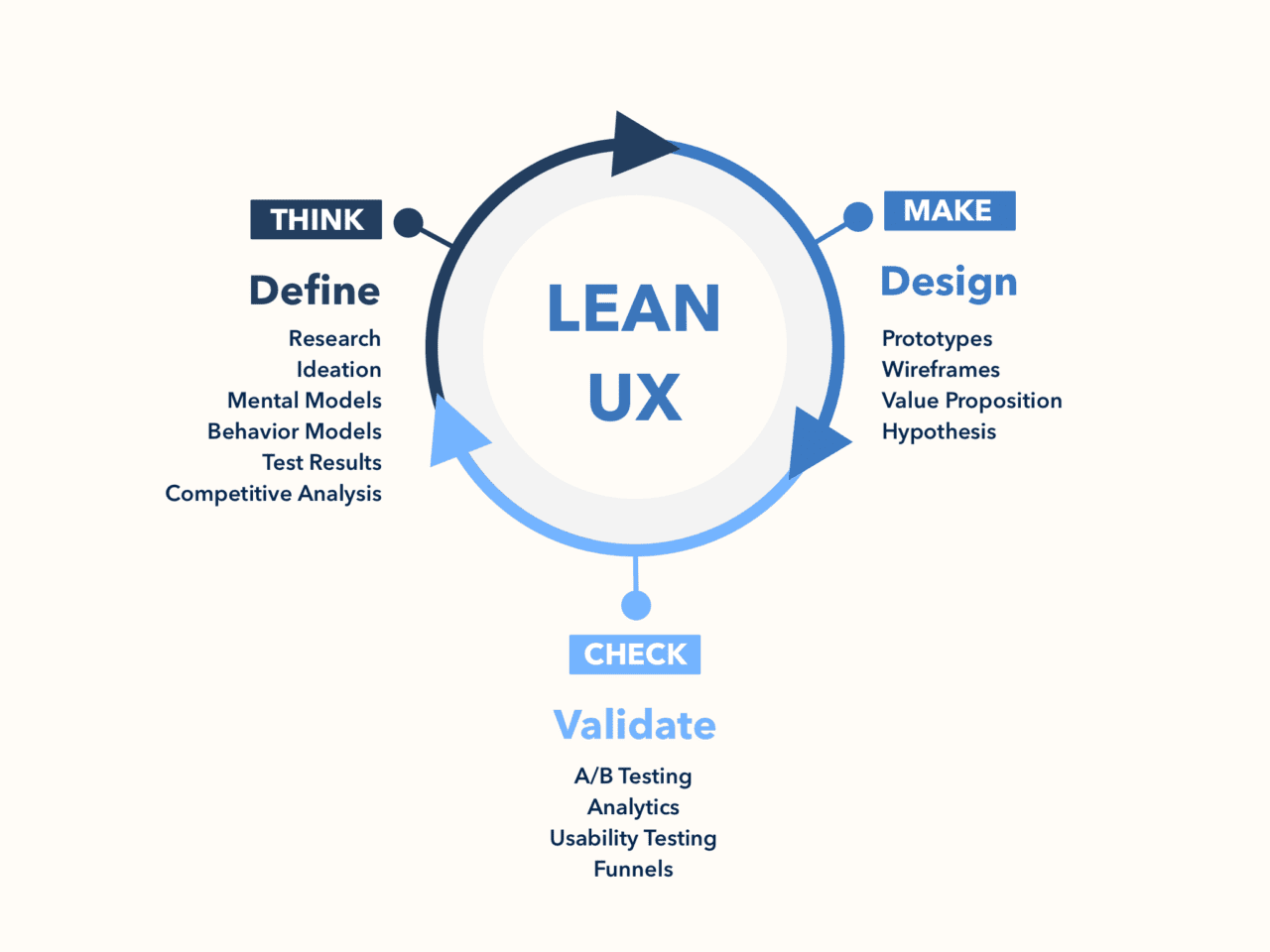
Our development followed the Lean UX cycle over a semester period.
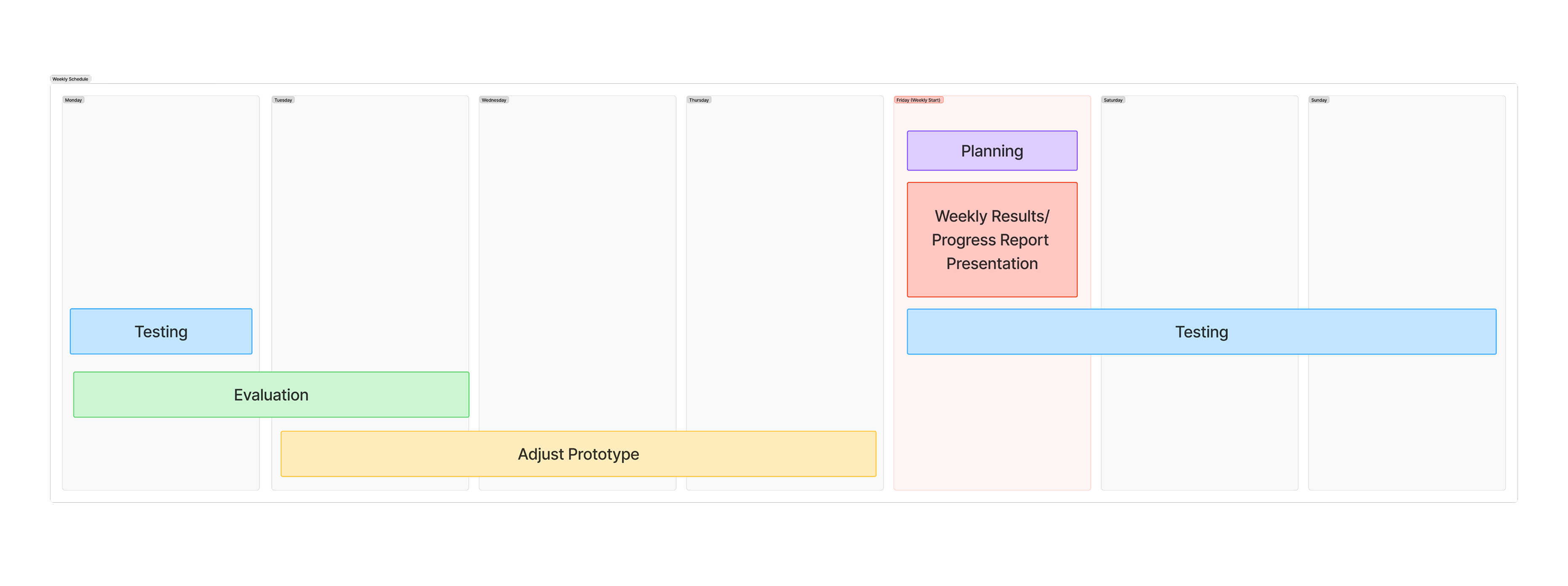
During an intensive eight-week period, we rigorously tested and adjusted our initial concepts with real users to evolve our idea into a viable MVP. Rather than following a linear path, we used constant feedback loops to ensure that every feature of the smart wardrobe solved a validated user problem.
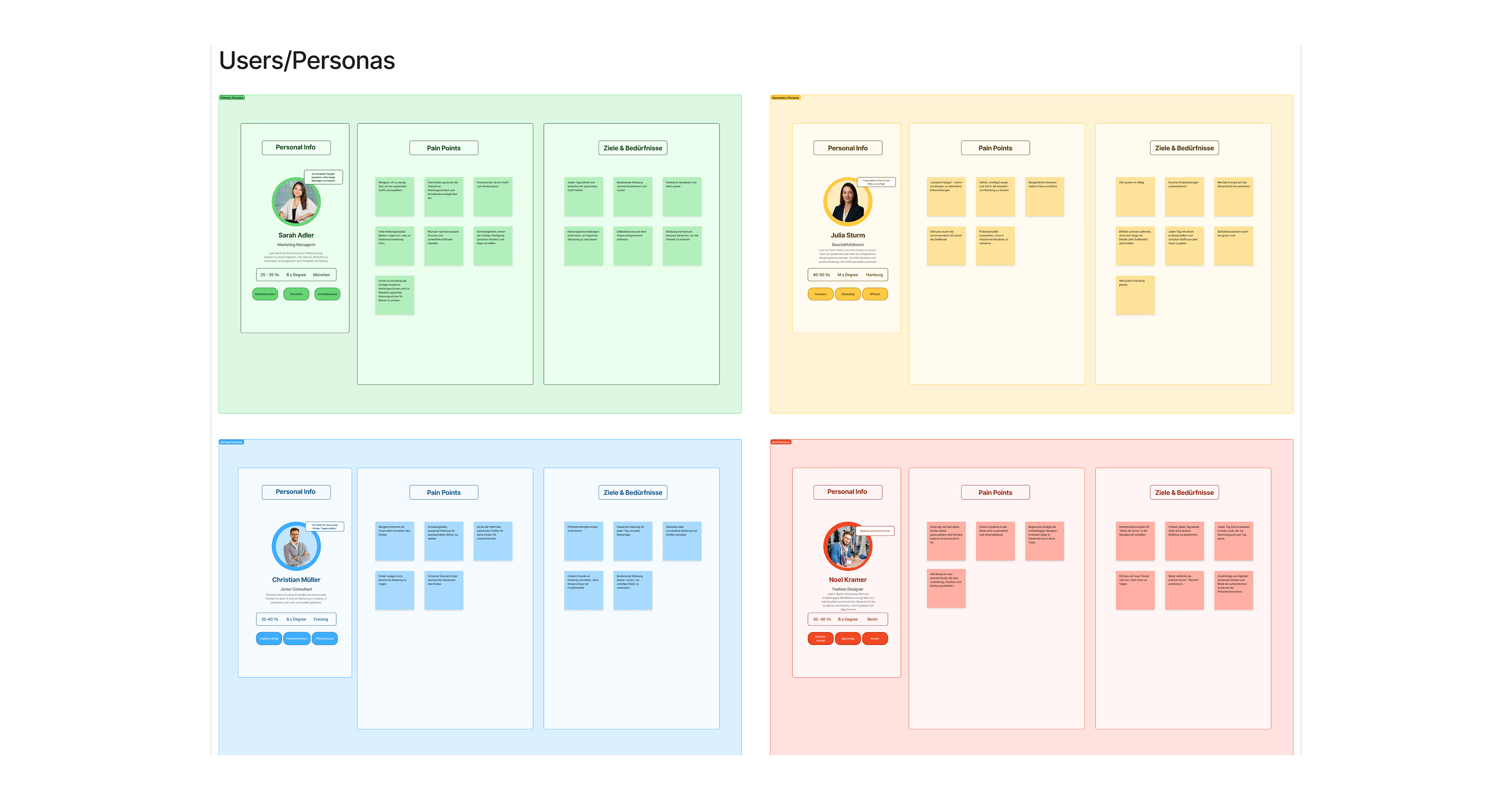
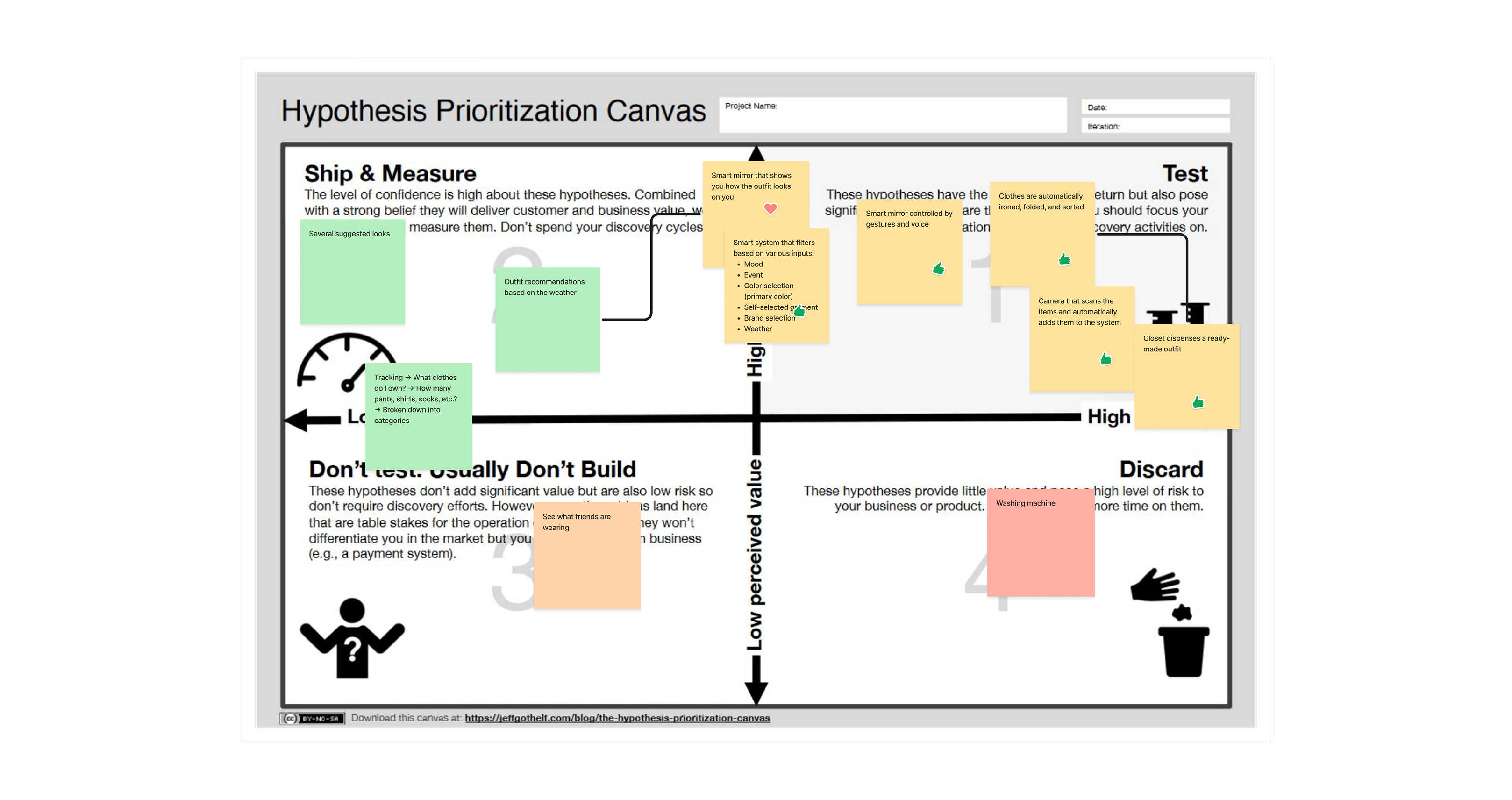
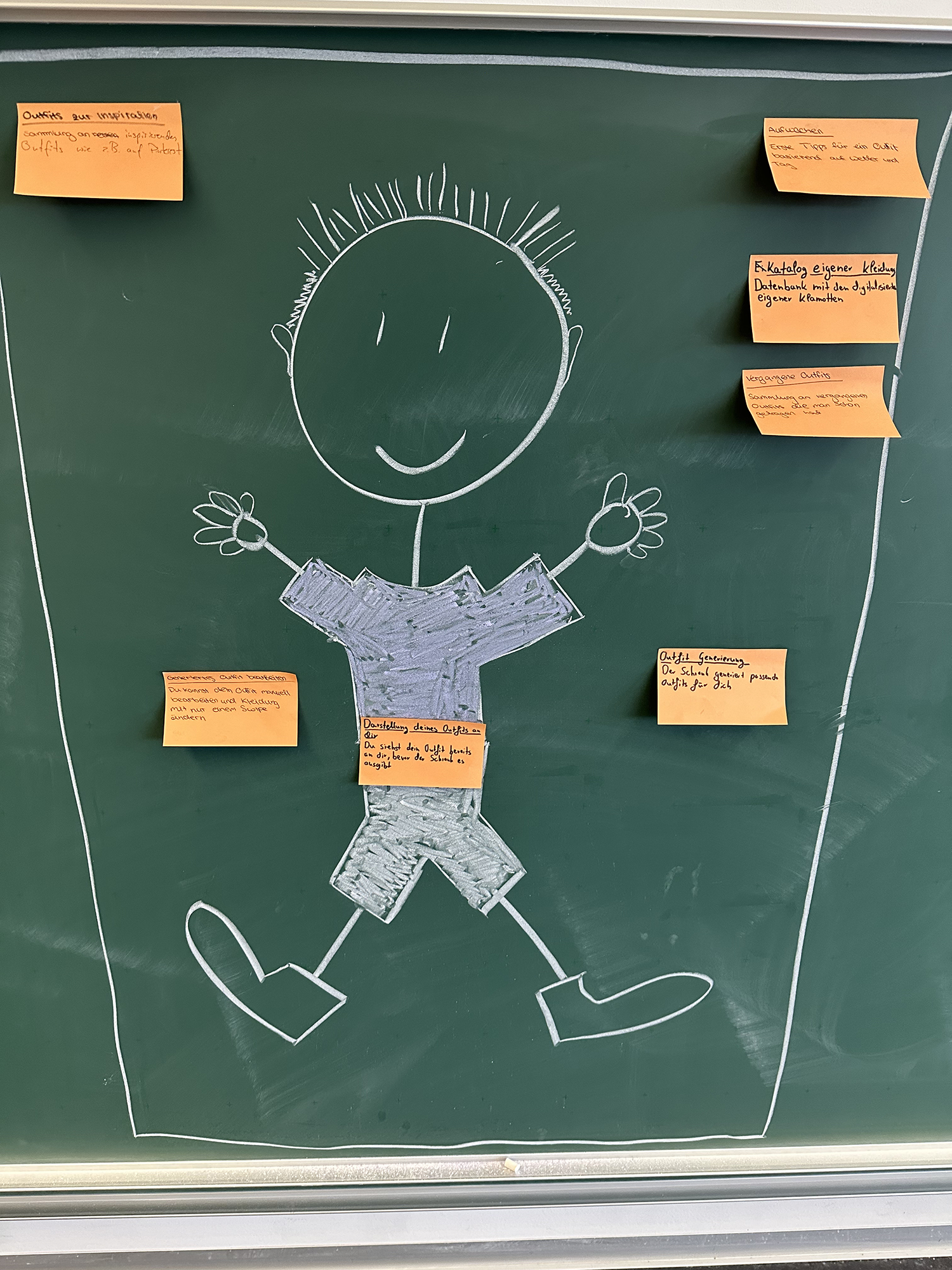
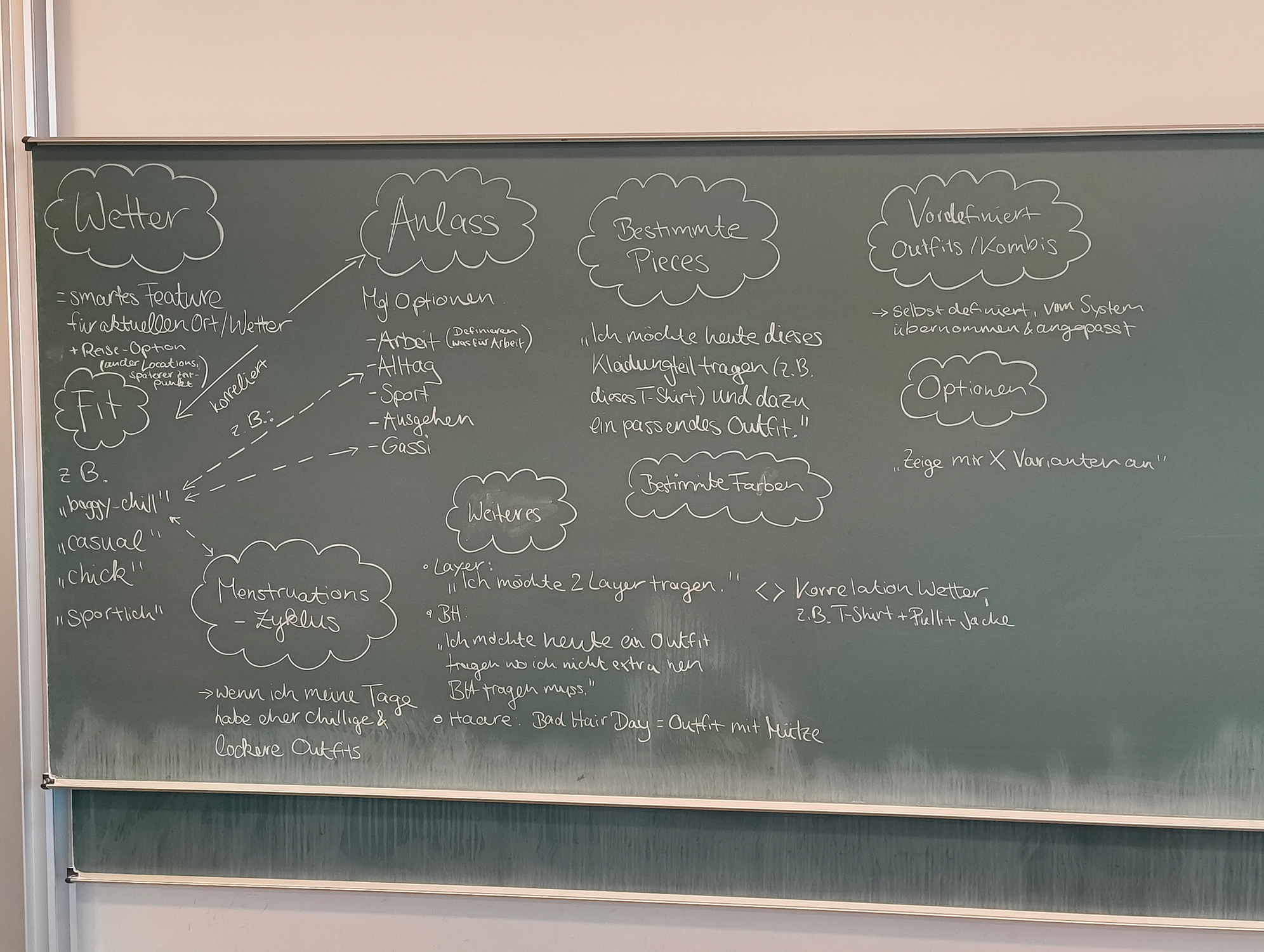
From these insights, we developed the concept of a smart wardrobe integrated with an interactive mirror. To move forward, we established key hypotheses, that we sorted into a prioritizaton matrix, that served as our compass, determining which features were essential to build and test into our first prototypes.

Prototyping & Iterative Testing

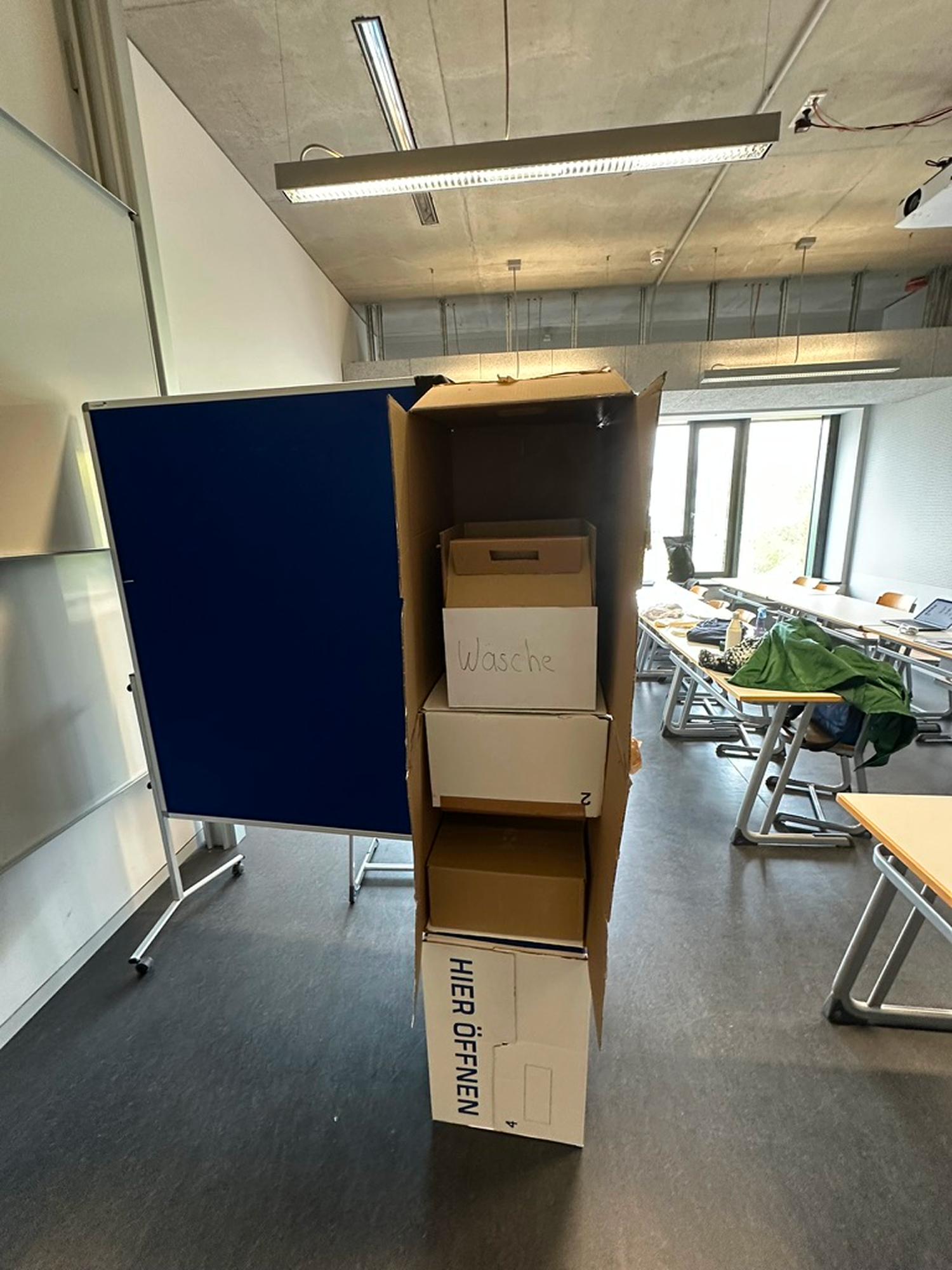
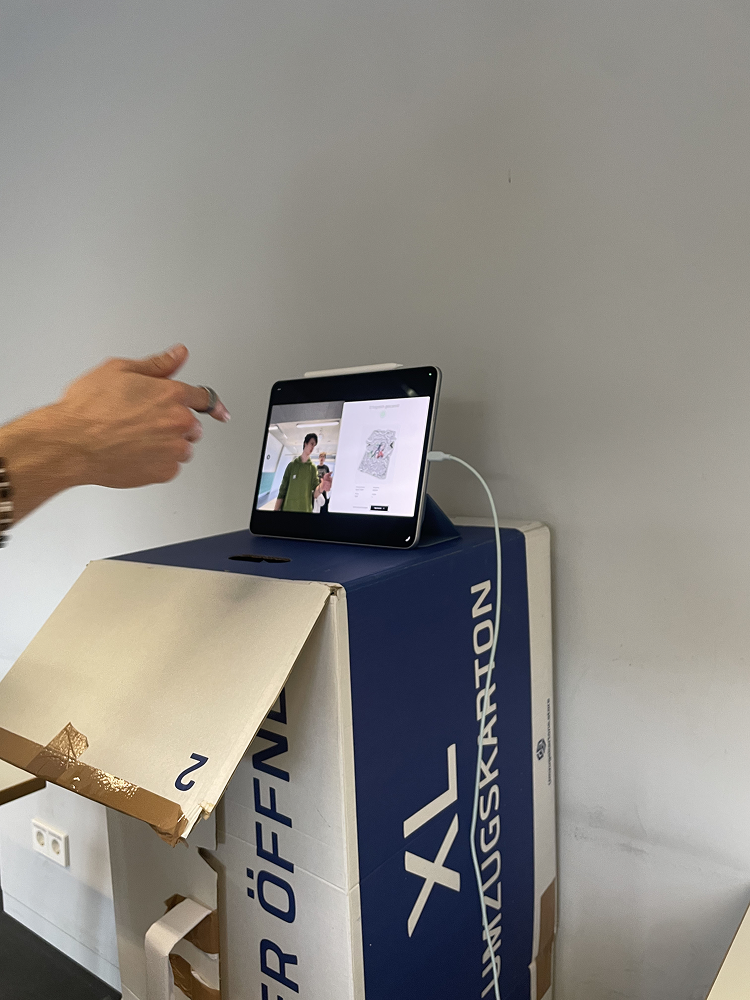
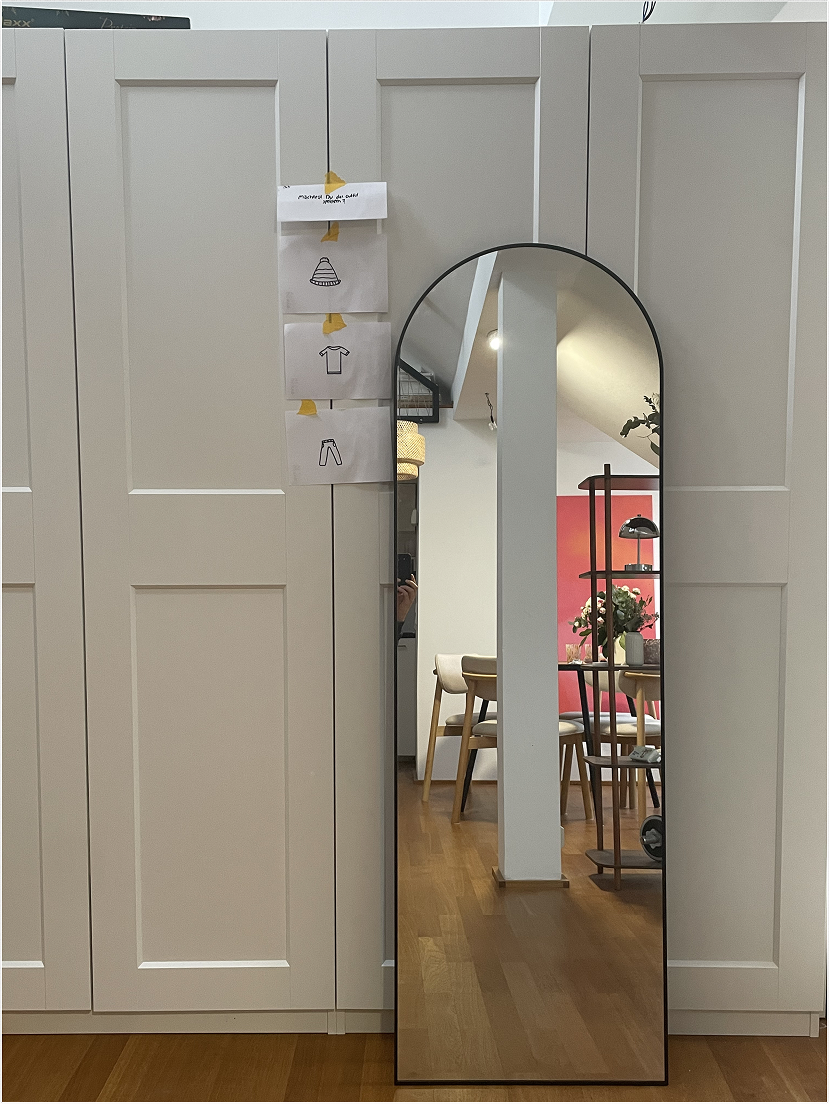
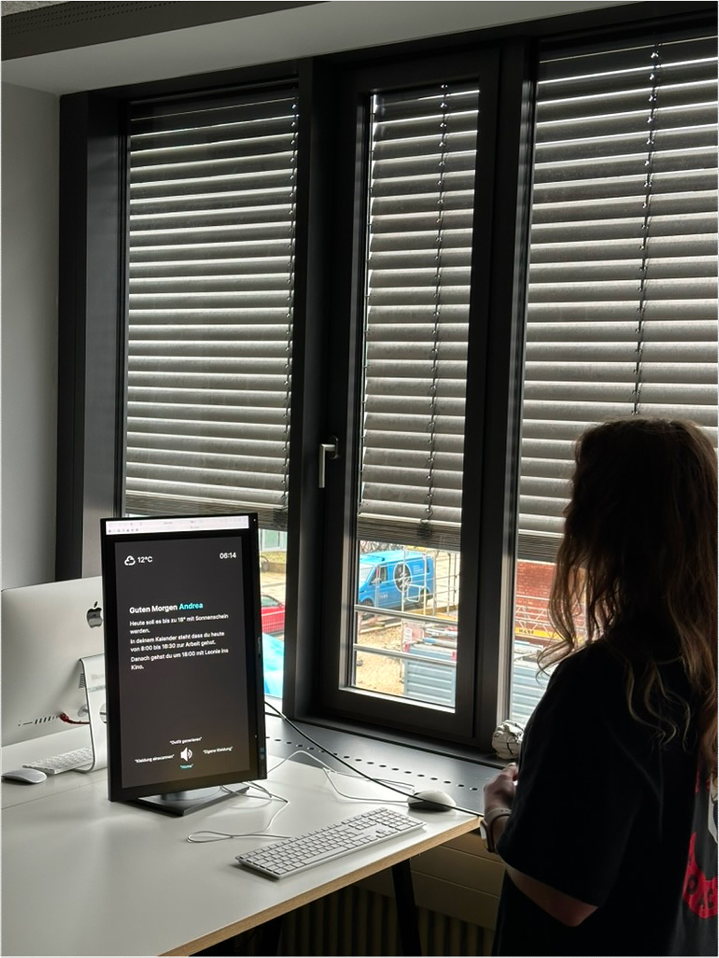
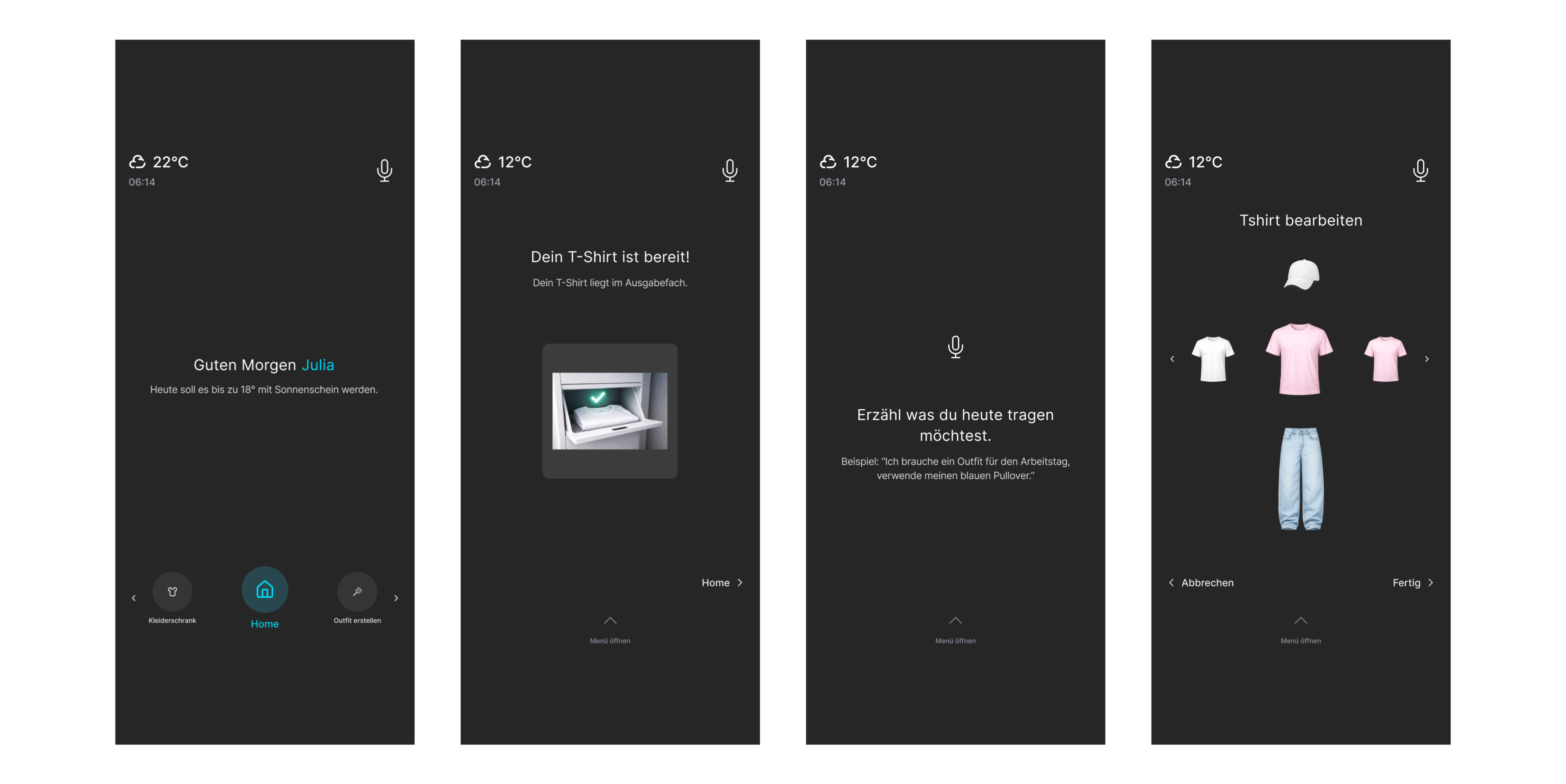
We focused on the physicality of the experience: How would users interact with a smart wardrobe in their private space? Using cardboard prototypes, we simulated the hardware to test physical interactions and the mirror’s interface simultaneously. Through Mix & Match exercises and Wizard of Oz testing, we explored how users naturally preferred to communicate with a digital stylist. This iterative process revealed that voice and gesture control were essential "must-haves" for a hands-free morning routine. As the physical interaction stabilized, we increasingly focused on the mirror’s UI, refining the layout and data visualization to ensure the interface felt like a helpful assistant rather than an overwhelming screen.

Solution

We developed a MVP that transforms the traditional closet into a personal assistant.
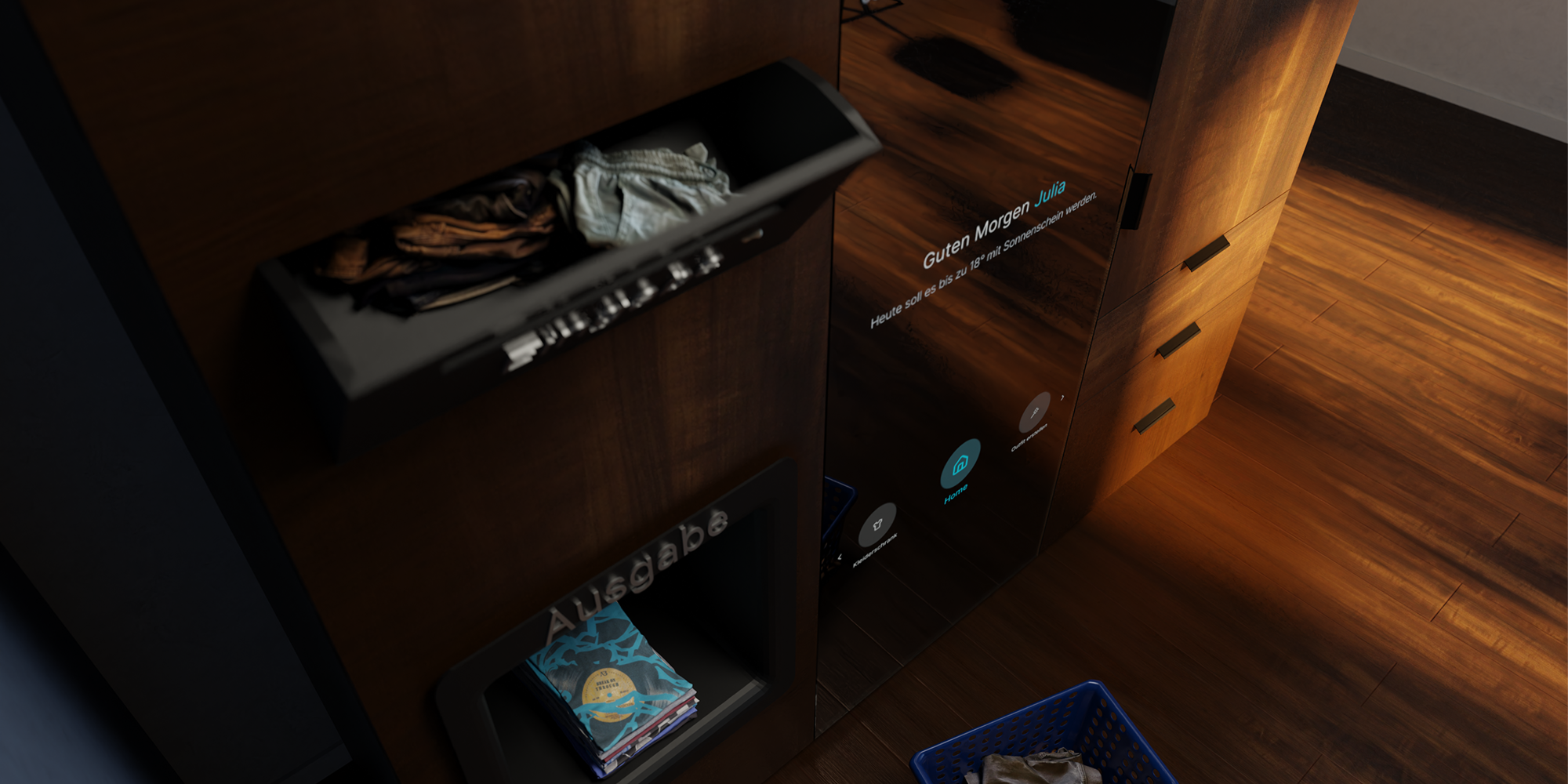
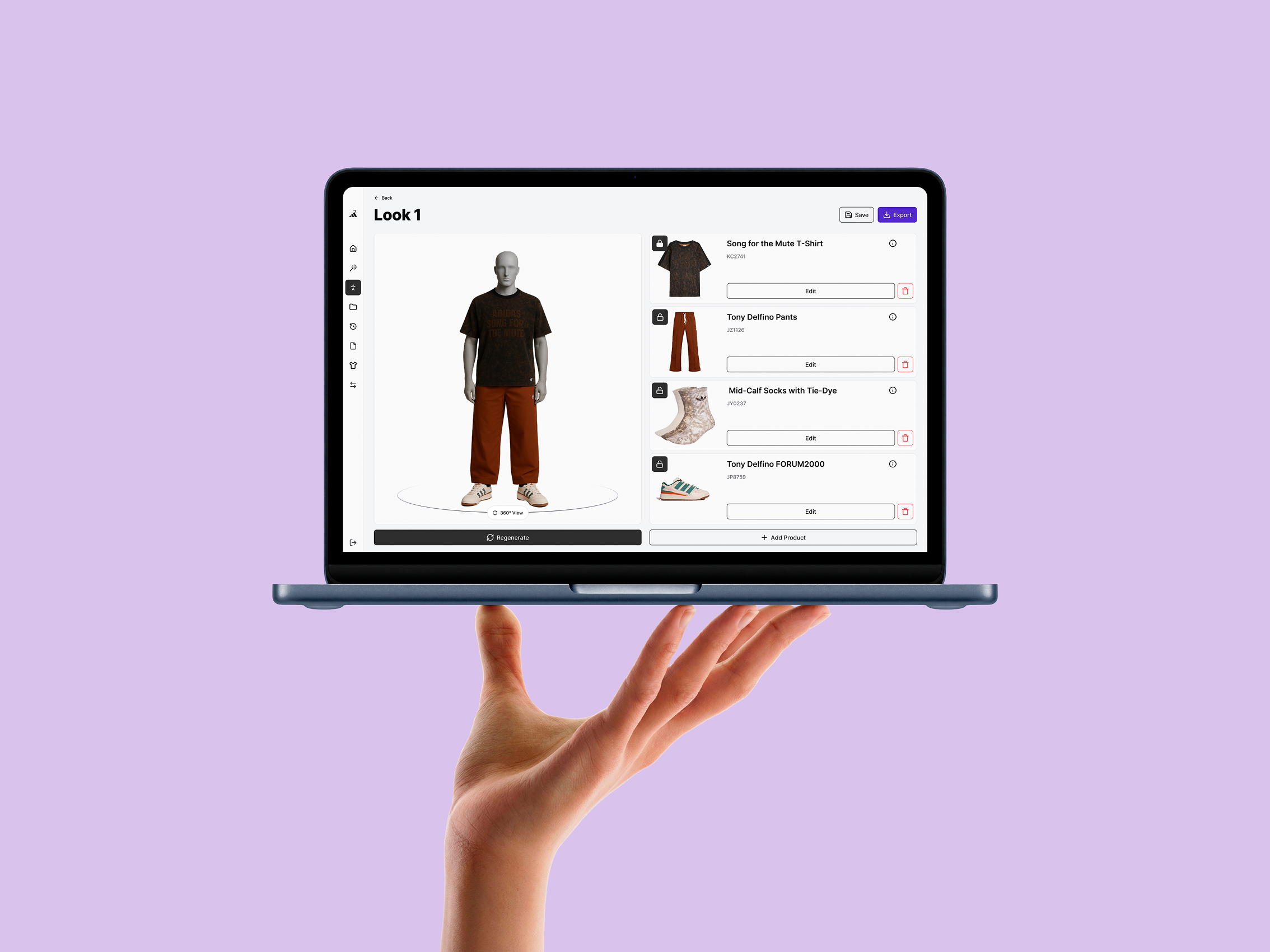
The integrated mirror serves as an interactive canvas, displaying AI-generated outfit suggestions tailored to the user’s wardrobe and daily schedule. To ensure a hands-free morning routine, we implemented voice and gesture controls, allowing users to browse styles effortlessly while getting ready.Beyond digital advice, the system handles the physical labor of garment care by automatically steaming and presenting the chosen outfit. It even manages organization: once clothes are entered into the system, they are automatically sorted and prepared for future use, creating a seamless bridge between digital styling and physical automation.

Reflection

Applying Lean UX to a hardware-software hybrid was an educational experience. The approach really helped us stay closely attuned to the user—and when something didn’t work, we noticed it quickly and were able to pivot. On the other hand, it also became clear just how much time continuous testing takes, and the transition from a finalized concept to actual implementation was more organizationally demanding than expected.
VIEW PROJECT