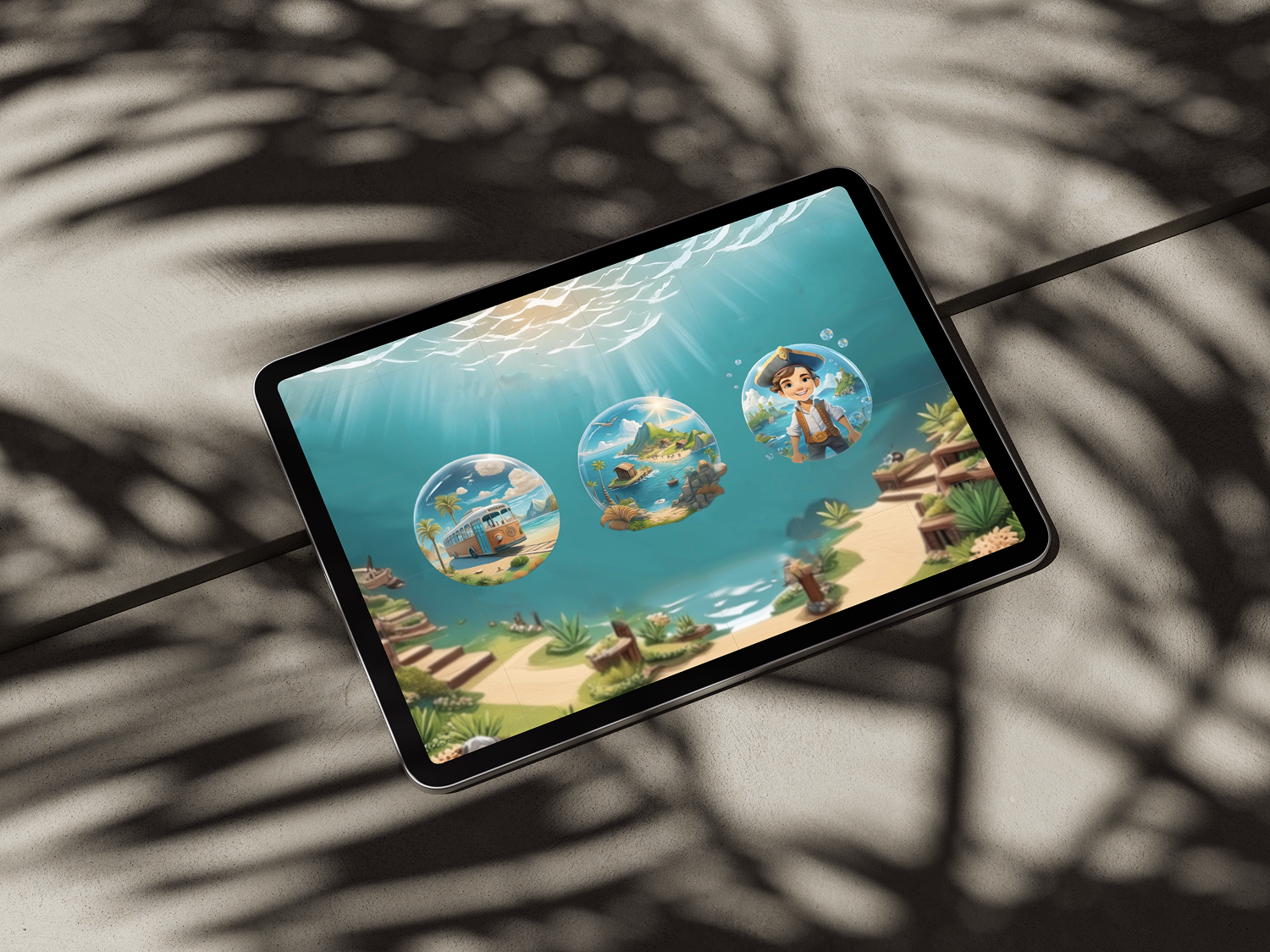
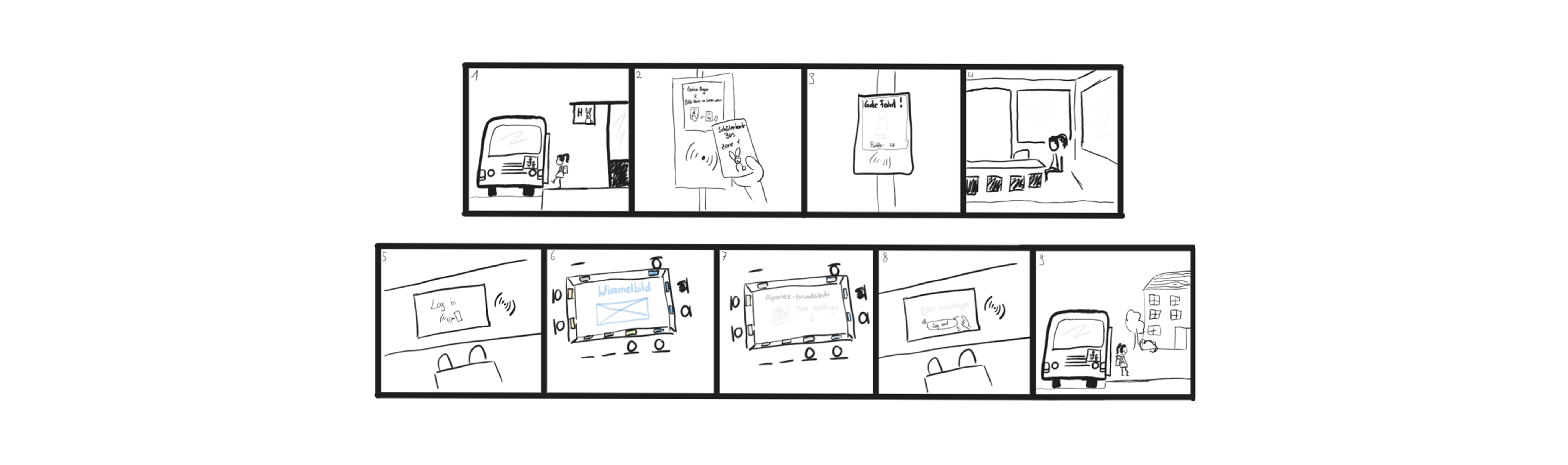
Eduventure is an interactive story game, designed specifically for primary school children. The game is integrated into the concept of autonomous school buses, aiming to seamlessly incorporate educational technology into children’s daily routines. Our goal was to transform passive travel time into an engaging, age-appropriate learning experience, tailored to each year level.
Eduventure
An interactive game design that reimagines the daily commute to school and transforms it into an engaging and educational adventure for primary school children.
- Figma
- Adobe PhotoshopAdobe IllustratorUnity
- University Project
- Adobe Illustrator
- Mar - Jun 2024(4 Months)
- Research: I helped conduct user studies with primary school children, gathered feedback, and translated insights into design requirements, while considering legal and contextual constraints.
- UX Design: I designed the overall experience, including the game structure, interface, and user flow.
- Interaction Design: I helped develop interaction concepts for both the shared main screen and the individual player interfaces, ensuring that they work seamlessly together.
- Narrative: I created a consistent pirate-themed story that connects all mini-games and provides an immersive, cohesive experience.
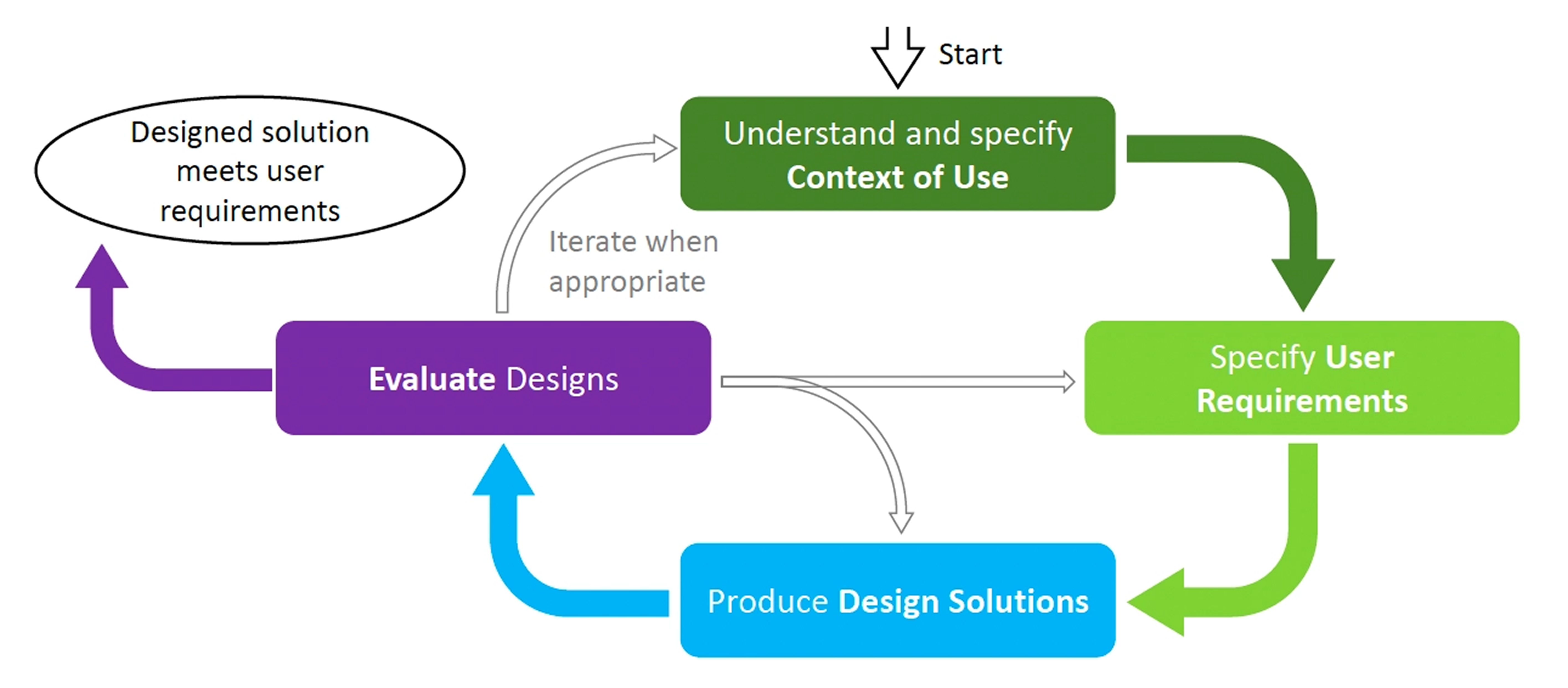
Process

Context of use Requirements
We began by analyzing the "autonomous school bus" ecosystem. Since the bus operates without adult supervision, we examined the legal and ethical landscape. Based on these insights, we defined the core requirements for a safe, self-regulating space. This led to a specialized interior layout featuring a central table with integrated personal displays, specifically tailored to the ergonomic and social needs of primary school students.
Ideation & Design Solution
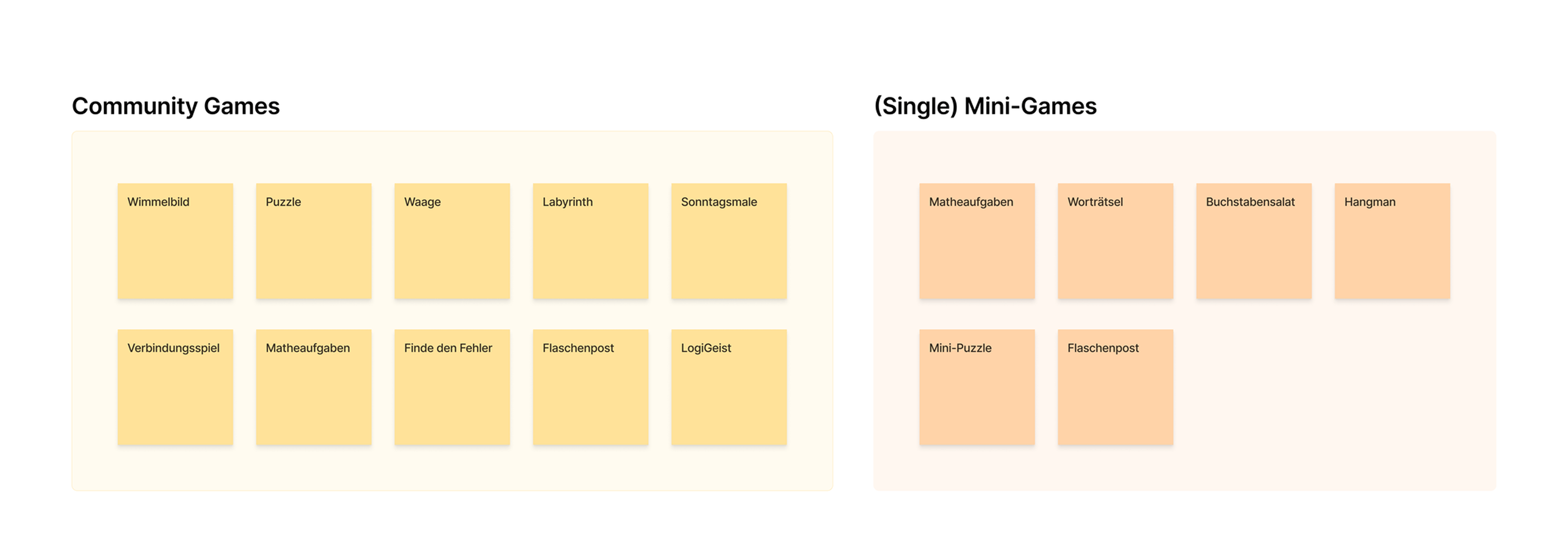
Using the Lotus Blossom Method, we moved beyond traditional interfaces to create a pirate-themed adventure story game. We developed a hybrid gameplay model: cooperative missions on a central "treasure" table and individual mini-games at each seat. To guide the young crew, we designed Henry the Parrot, a virtual mentor providing voice assistance to lower entry barriers.
Evaluation
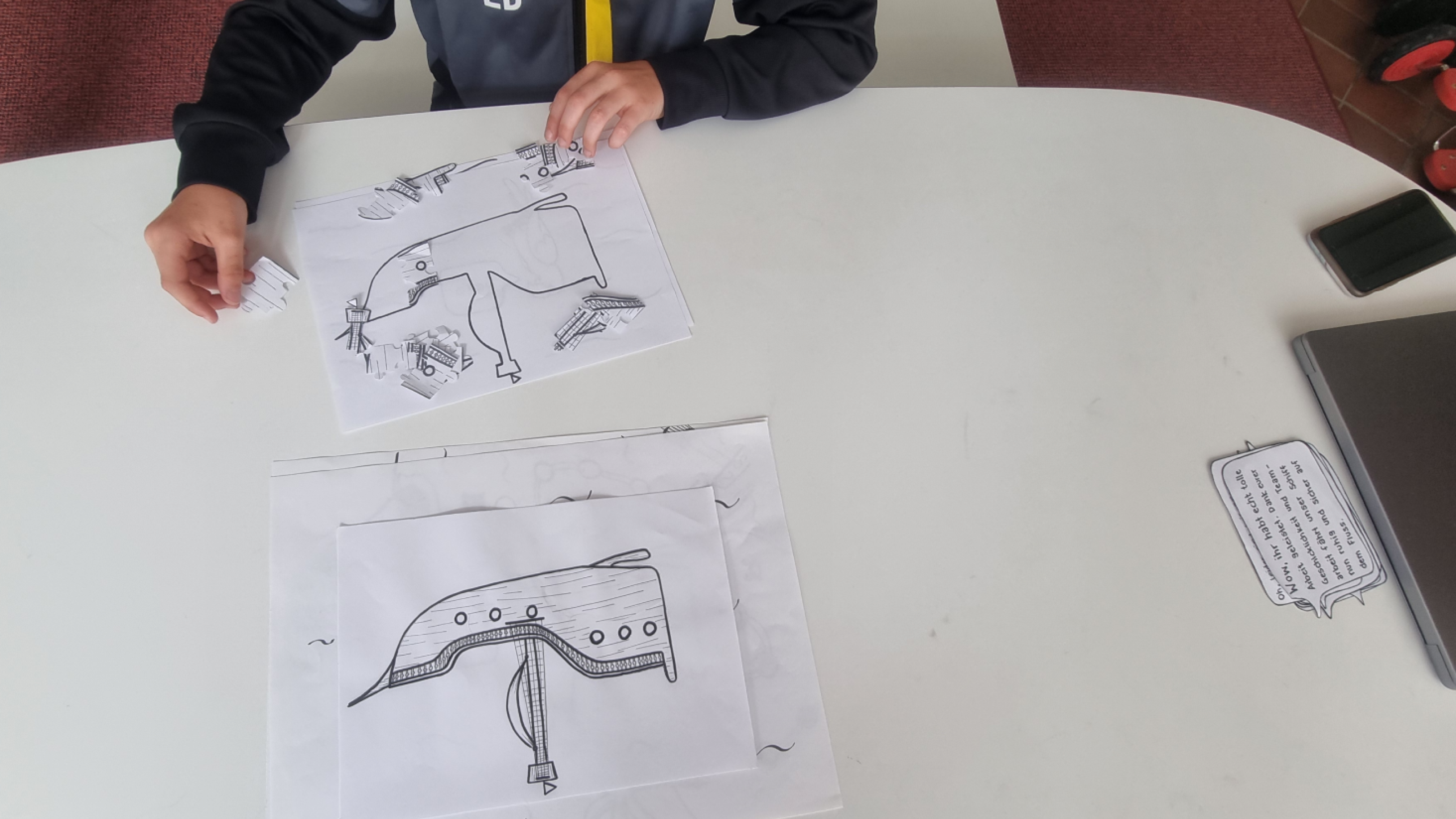
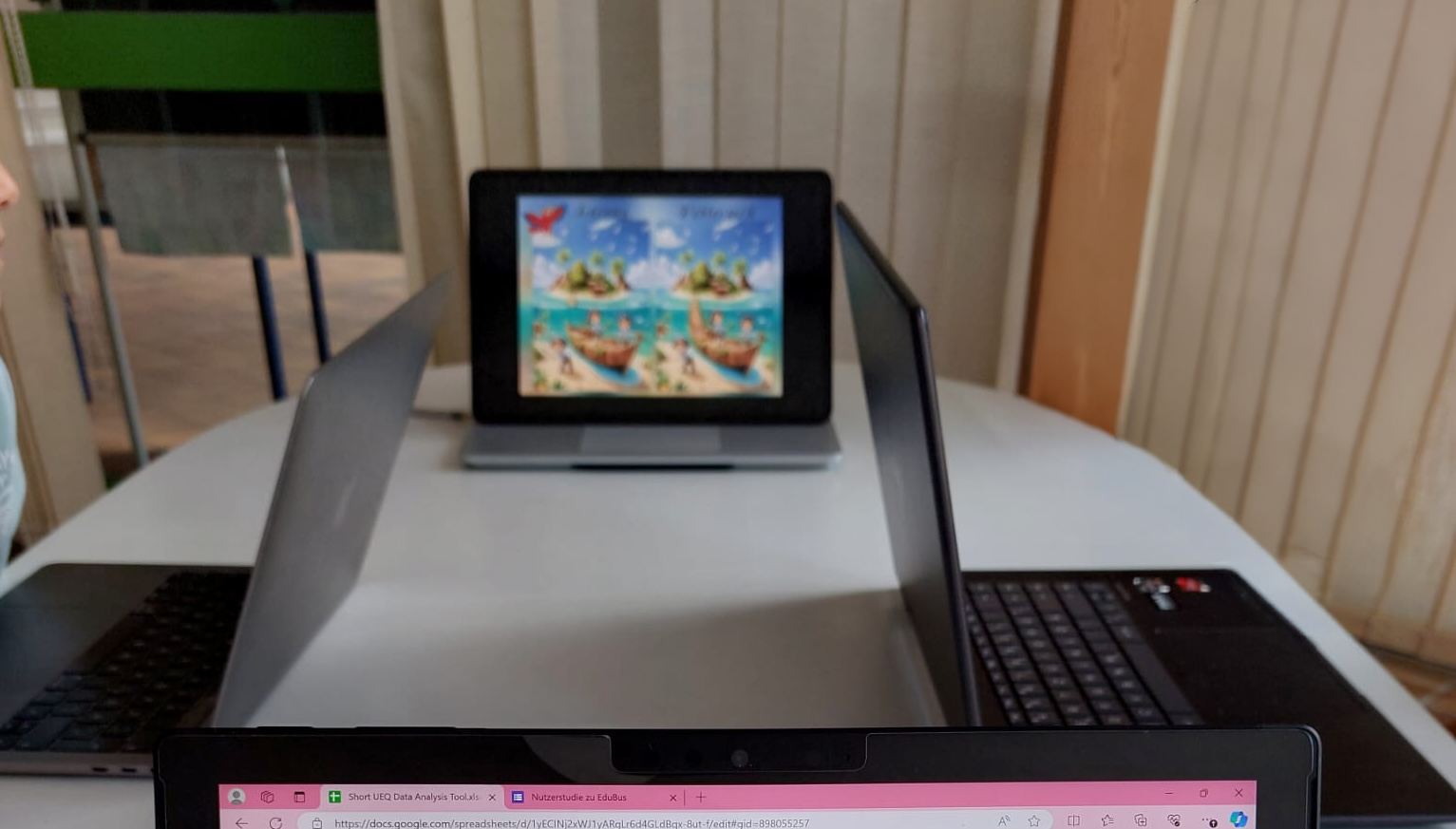
Validation was conducted in two cycles with primary school students. First, we used a paper prototype to test the story logic and pirate game mechanics. These insights were directly integrated into a functional Unity prototype, which we then evaluated using child-friendly NASA-TLX scales and the Short UEQ. This confirmed that our technical implementation in Unity ensures low cognitive workload and high engagement, keeping the "young crew" safe and focused during the ride.


.png)